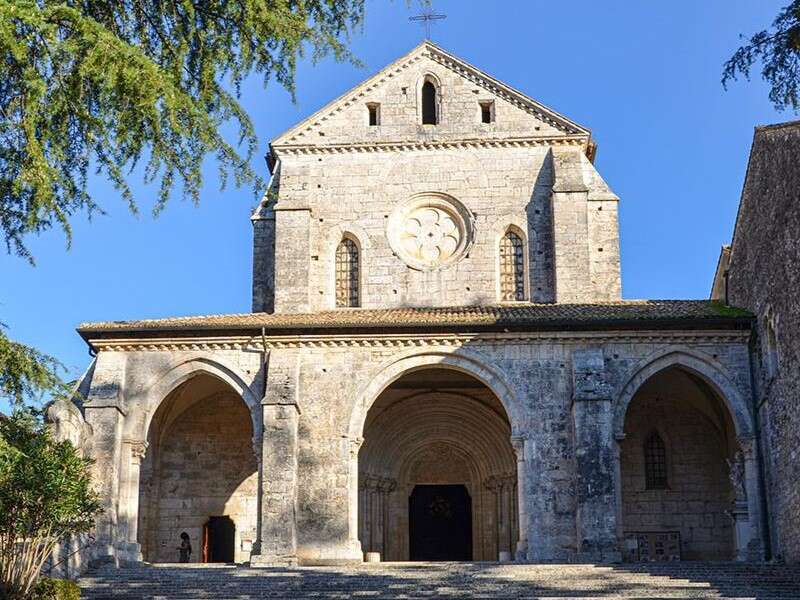
Abbazia di Casamari - Veroli
(English version below)
Nel territorio del comune di Veroli, a 9 km dal centro, sulla via Maria, - raggiungibile facilmente anche dall'autostrada Frosinone-Sora - sorge l'abbazia di Casamari. Essa fu edificata sulle rovine dell'antico municipio romano denominato Cereatae, perchè dedicato alla dea Cerere. Il nome Casamari è di origine latina e significa "Casa di Mario", patria del console romano Caio Mario, celebre condottiero, nemico di Silla.
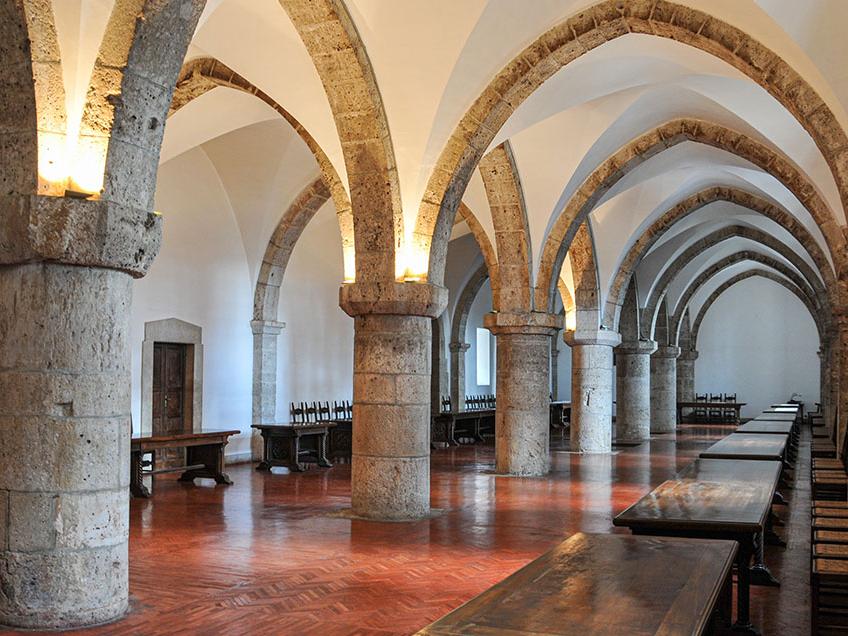
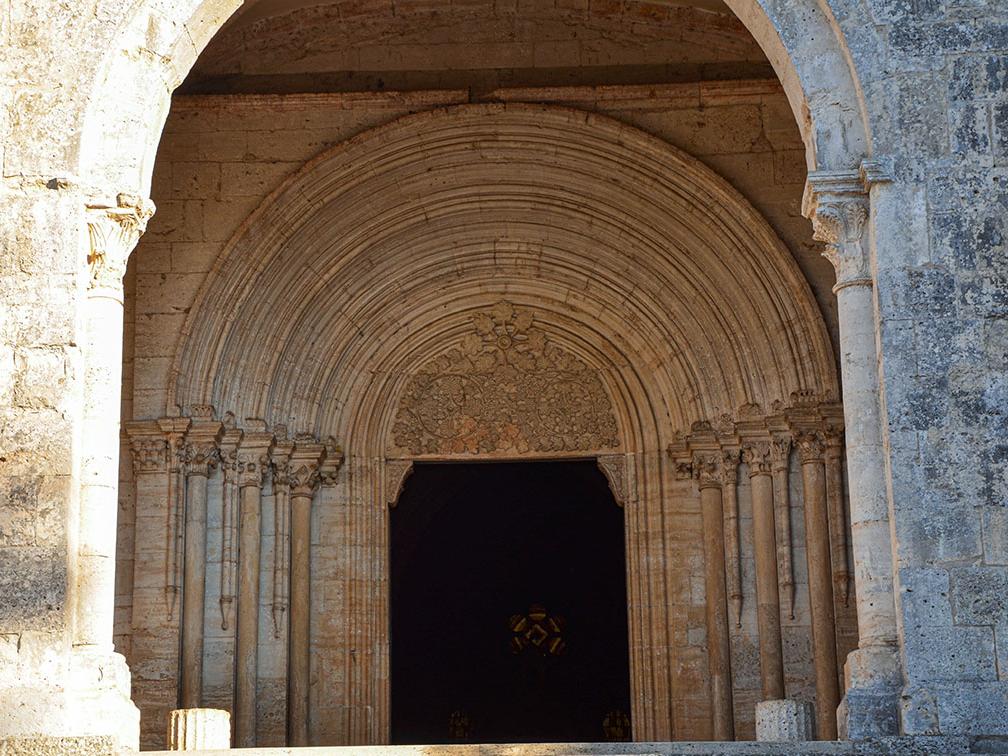
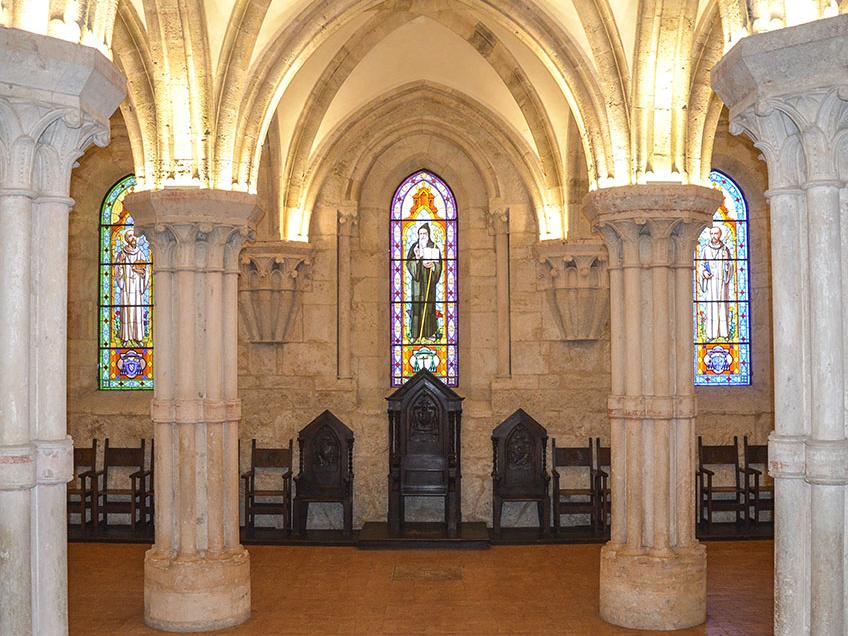
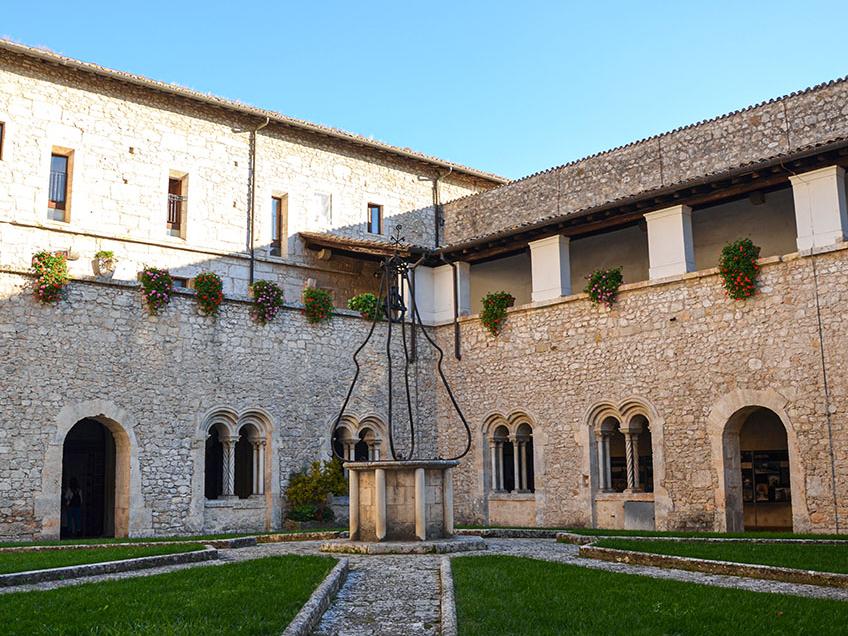
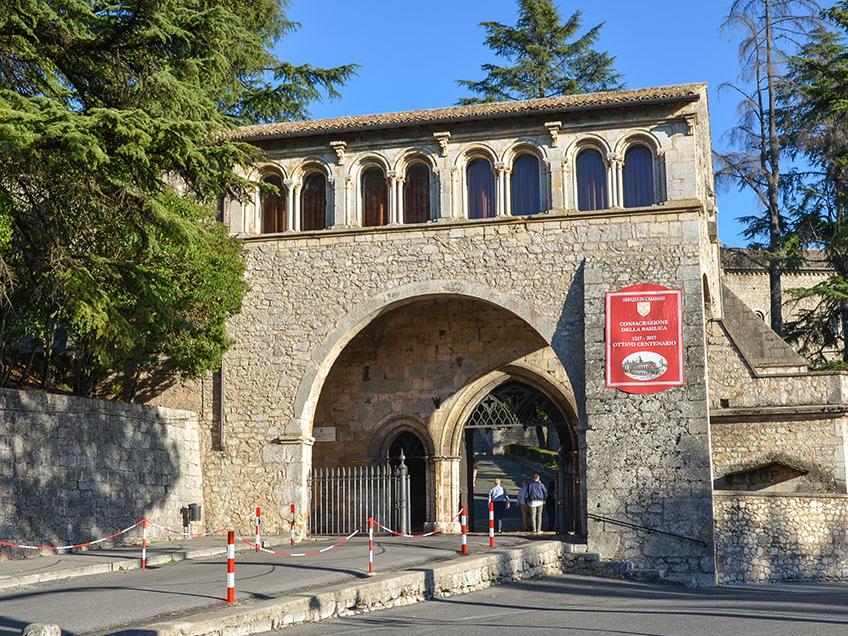
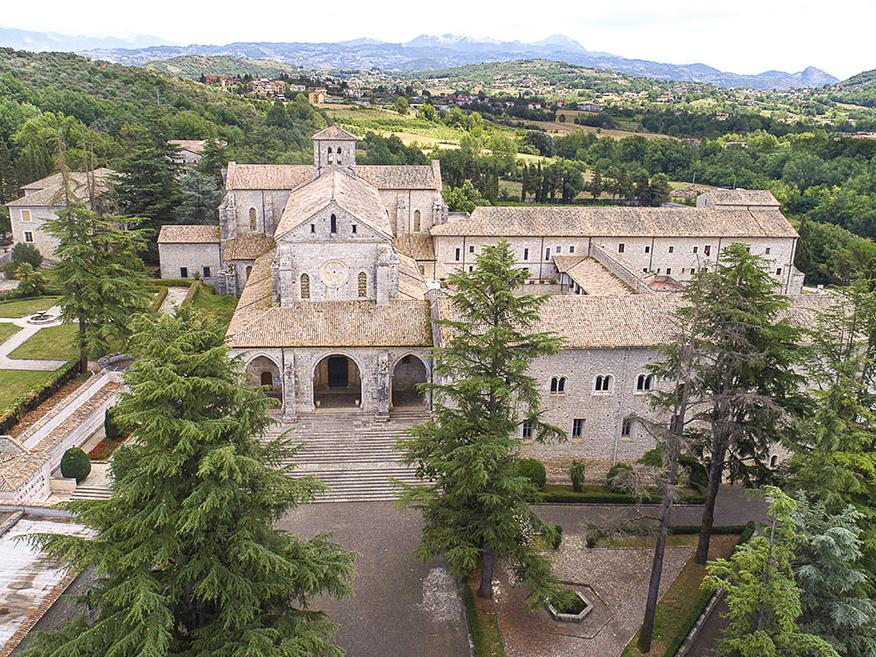
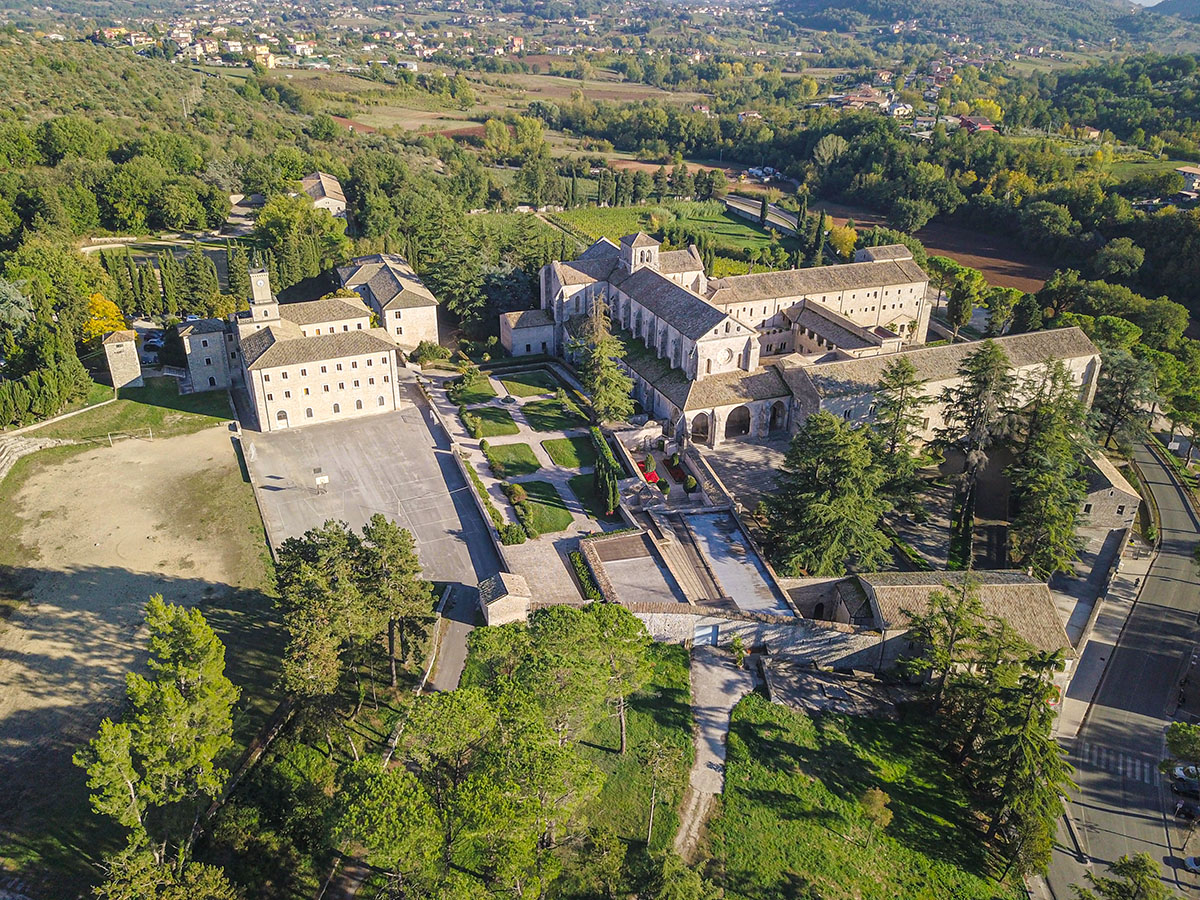
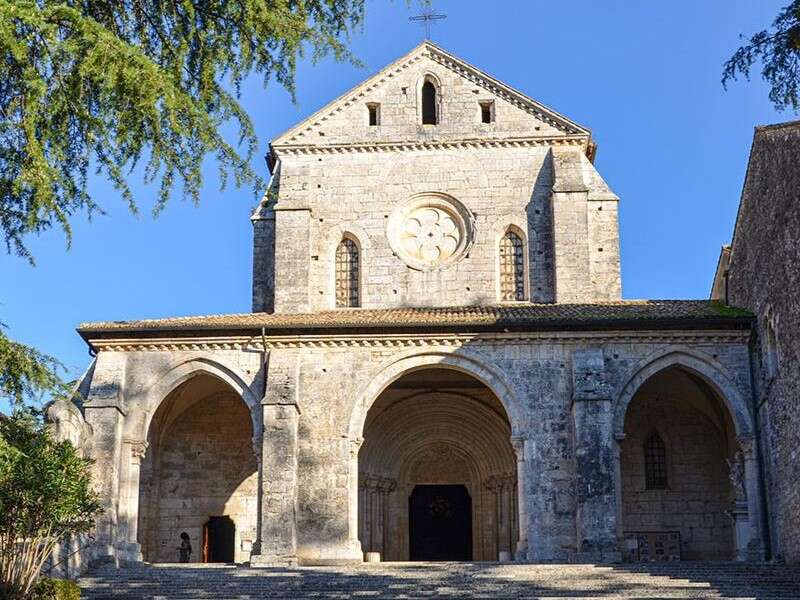
L'abbazia fu costruita nel 1203 e consacrata nel 1217. E' uno dei più importanti monasteri italiani di architettura gotica cistercense. La pianta dell'edificio è simile a quella dei monasteri francesi, mentre la facciata della chiesa presenta all'esterno un grandioso portico. Si entra nel monastero attraverso un'ampia porta a doppio arco. All'interno si trova un giardino la cui parte centrale è occupata dal chiostro. Esso è di forma quadrangolare, con quattro gallerie a copertura semicilindrica. L'aula capitolare è un ambiente formato da nove campate e da quattro pilastri ed è usata per le riunioni. Dal chiostro, grazie a una porta, si entra nella chiesa che è a pianta basilicale a tre navate. Dietro l'altare dell'abbazia troviamo il coro costruito nel 1940. All'interno della struttura ci sono alcune sale duecentesche, che contengono reperti archeologici di epoca romana. Di grande interesse sono: la biblioteca e il museo ricco di opere d'arte.
Only 9 km from the historic centre of Veroli, and easy to reach from the Frosinone-Sora motorway, stands The Abbey of Casamari. The abbey was built upon the ruins of the ancient Roman town of Cereatae, named after Ceres, the Roman goddess of agriculture. The name Casamari derives from the Latin Casa Marii, meaning “House of Marius”, a reference to the birthplace of the Roman consul Gaius Marius – rival of Lucius Cornelius Sulla and one of Rome’s most celebrated military leaders.
Construction began in 1203 and the abbey was consecrated in 1217. It represents one of the finest examples of Cistercian Gothic architecture among Italian monasteries. The layout recalls that of French monasteries, while the church façade of the church is distinguished by an imposing colonnade. The entrance to the monastery features a wide double-arched doorway, leading into a courtyard dominated by a quadrangular cloister with four semicylindrical-vaulted galleries. The chapter house, still used to host meetings, owes its beauty to its nine bays supported by and four central pillars. The cloister leads to a church built on a basilican plan with three naves. Behind the altar stands a choir dating to 1940. Within the complex are also rooms dating back to the 2nd century BCE, containing archaeological remains of Roman origins. Not to be missed are the library and the museum, both preserving valuable historical and artistic treasures.