
San Vittore nel Lazio e i Sanniti
(English version below)
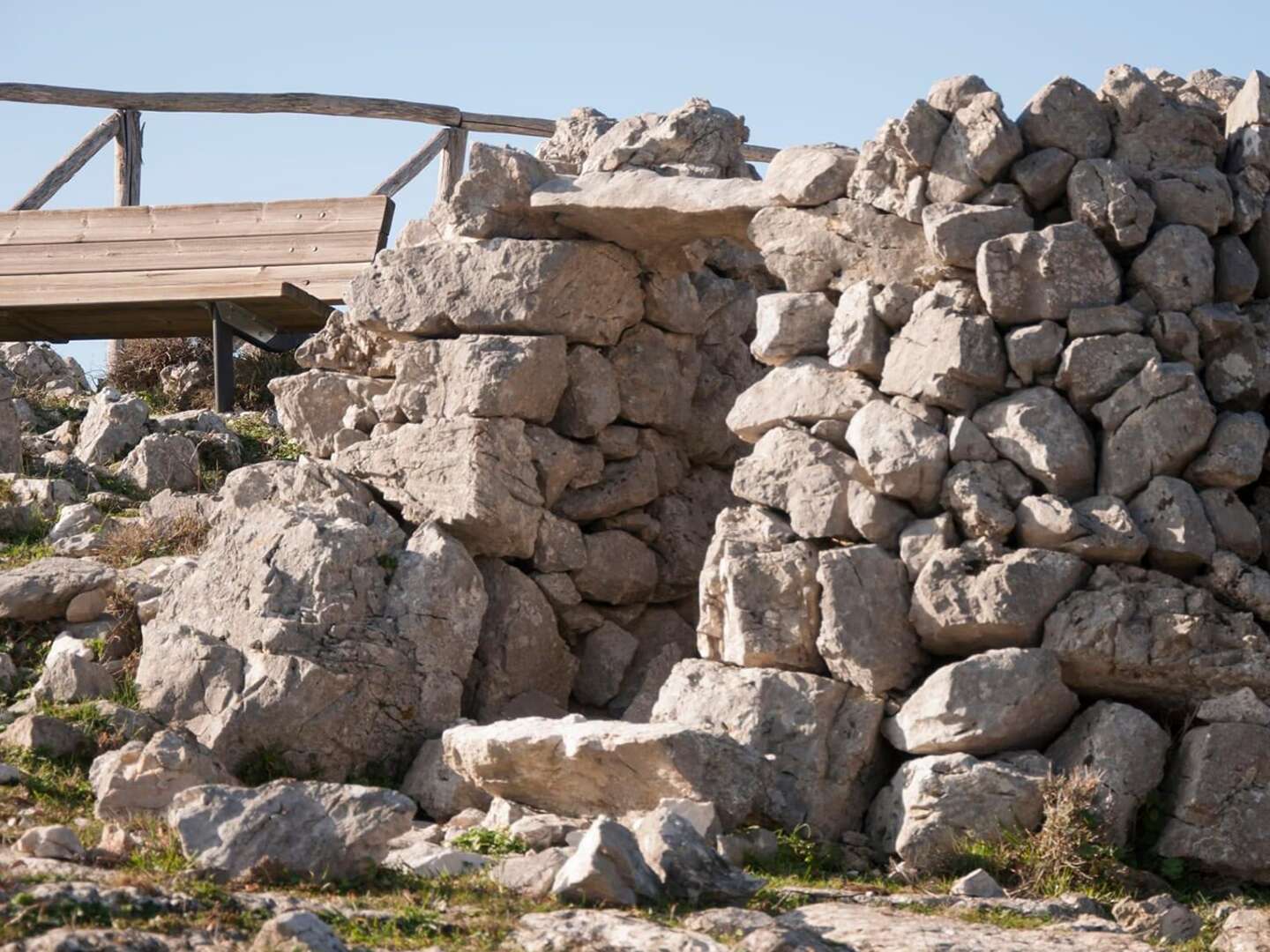
La nascita dell’attuale abitato sanvittorese è generalmente attribuita al processo di incastellamento e al ripopolamento realizzato dai monaci benedettini nel X secolo. Ma, i resti di mura megalitiche qui conservati, raccontano di un passaggio umano avvenuto ben prima: quello dei Sanniti, che qui fondarono, con buona probabilità, la città di Aquilonia, come lasciano ipotizzare tanto la perfetta posizione strategica del sito, quanto l’imponente cinta muraria dell’oppidum sannitico sulle pendici di Monte Sammucro. La sua storia si concluse nel 293 a.C. dopo una memorabile battaglia contro gli eserciti romani che coinvolse tutte le comunità sannite, una sorte che toccò anche alla stessa Cartagine, facendo forse dichiarare dal Senato romano la medesima tremenda frase: “Aquilonia delenda est”. Negli ultimi anni sono stati condotti diversi studi archeologici nel territorio: il progetto “Summa ocre” ha portato a importanti scoperte, inclusa una spada votiva risalente al IV secolo a.C., recante un’iscrizione che rivela il nome dell’artigiano che l’ha forgiata: un armaiolo campano con officina a Roma.
The origins of the present-day settlement of San Vittore are generally attributed to the process of incastellamento and the repopulation carried out by Benedictine monks in the 10th century. However, the remains of megalithic walls preserved here tell of a much earlier human presence: that of the Samnites, who most likely founded the city of Aquilonia on this site. This hypothesis is supported both by the site’s perfectly strategic position and by the imposing circuit of walls of the Samnite oppidum on the slopes of Mount Sammucro.
Its history came to an end in 293 BC after a memorable battle against the Roman armies, involving all the Samnite communities—a fate that also befell Carthage itself, leading the Roman Senate to pronounce the same grim sentence: “Aquilonia delenda est.”
In recent years, several archaeological studies have been carried out in the area. The “Summa Ocre” project has led to important discoveries, including a votive sword dating back to the 4th century BC, bearing an inscription that reveals the name of the craftsman who forged it: a Campanian weaponsmith with a workshop in Rome.